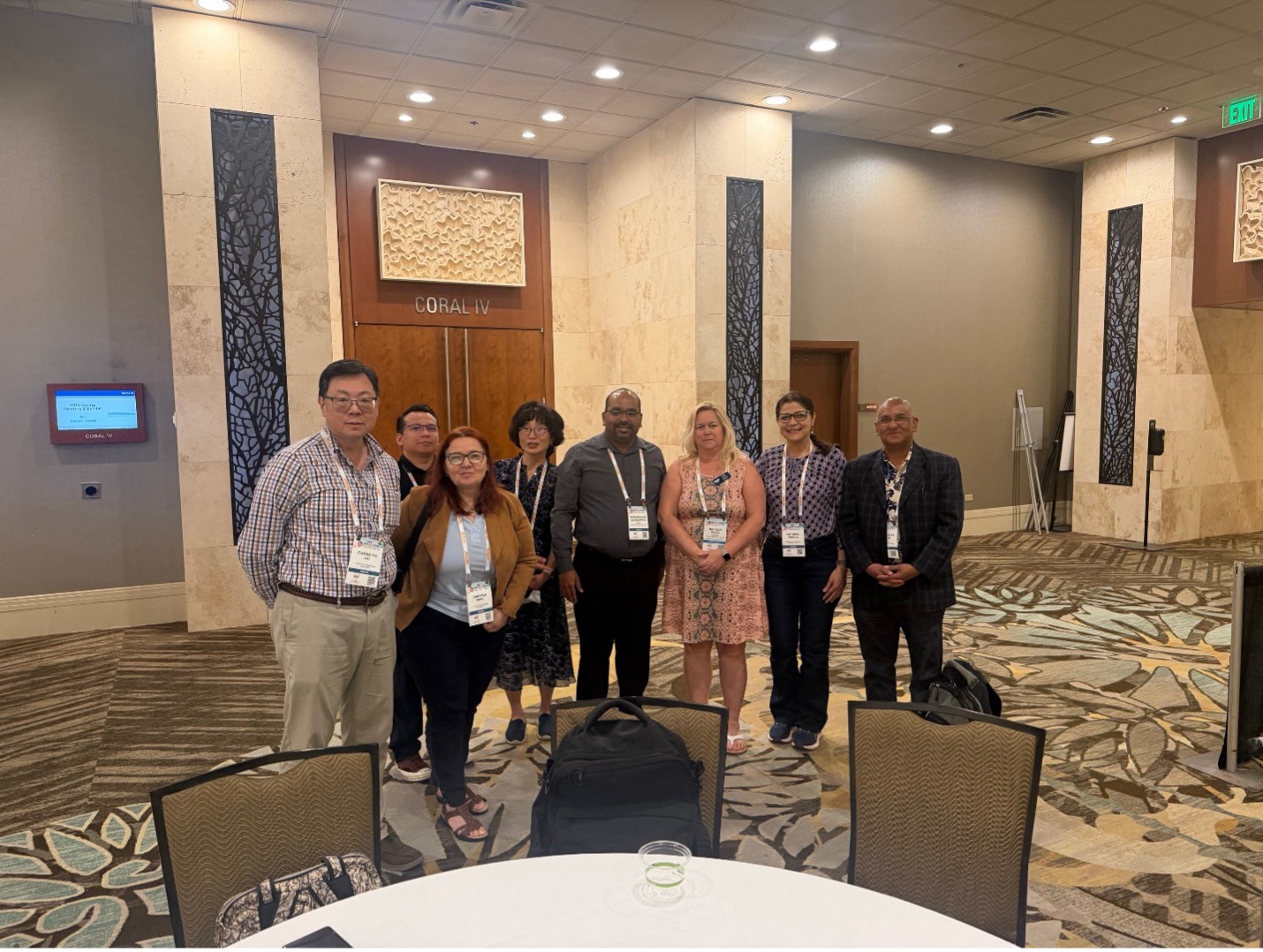
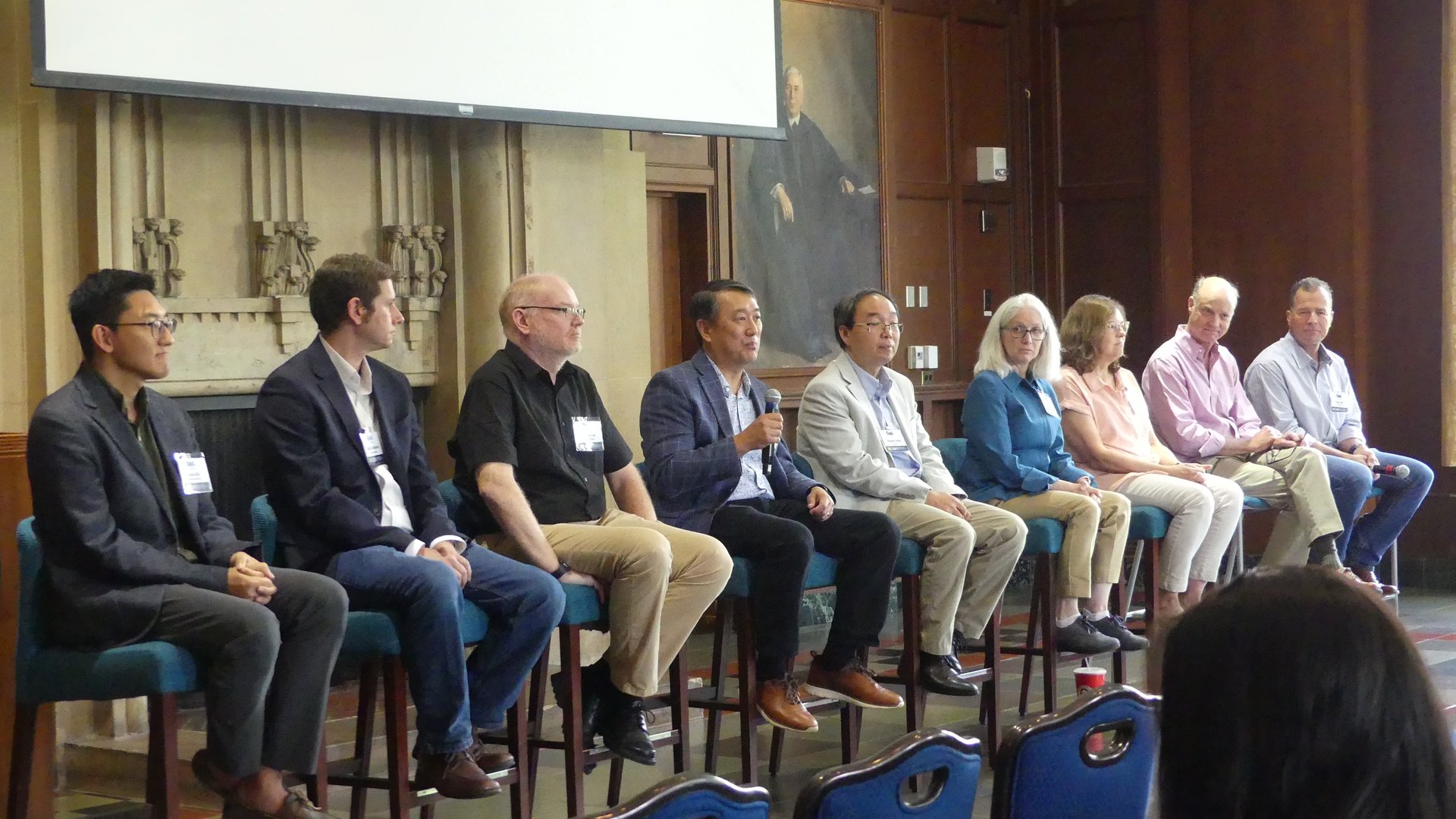
Students from across the MRSEC and PREM communities came together at the University of Michigan for CAMPS 2026, a student-led conference featuring research presentations, poster sessions, career conversations, lab tours and opportunities to build connections across institutions.
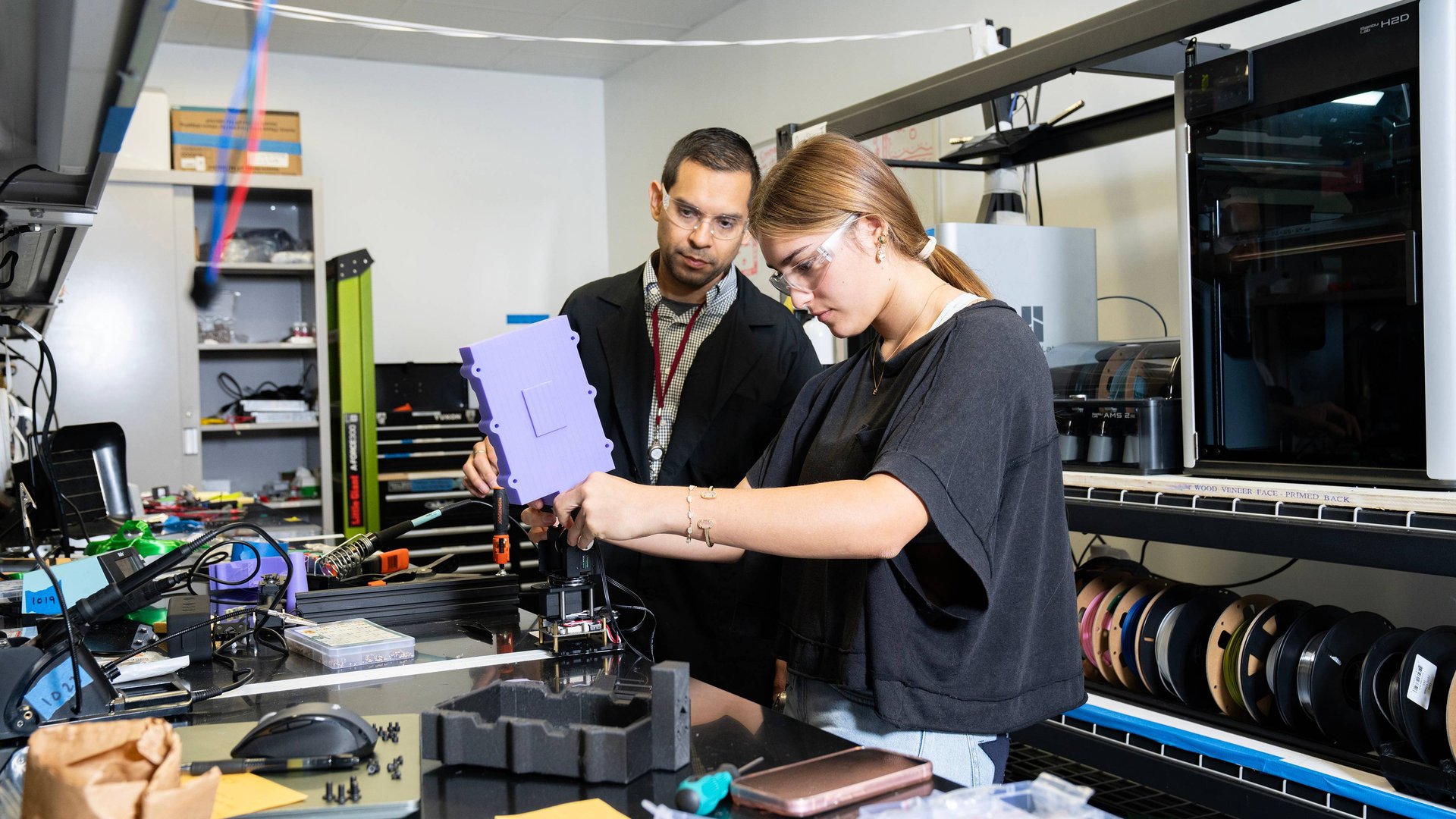
Two researchers. One PREM network. Chris Reyes and Scott Barrett followed different paths through Texas State, but mentorship, collaboration and a shared interest in battery research ultimately brought them together at Material Hybrid Manufacturing.
PREM Day brought students and faculty from Texas State, UT Austin, NAU, and Pasadena City College together for lab tours, research exchange, career conversations, and connections across the PREM community.
Looking for an internship or perhaps a research opportunity? Check out the PREM opportunities page, where you can find research positions, fellowships, and career opportunities. Search by position, location, center or lab, and more. Don’t miss it!
In a recently published paper, North Carolina Central University PREM researchers used controlled polymer synthesis and grafting onto graphene to create materials with tunable properties. They found that the thermoresponsive behavior of PNIPAM — poly(N-isopropylacrylamide) — depends strongly on chain length.