Highlights
Feb 14, 2018
California State University - Los Angeles
PREM 2017 Intellectual Merit Highlights
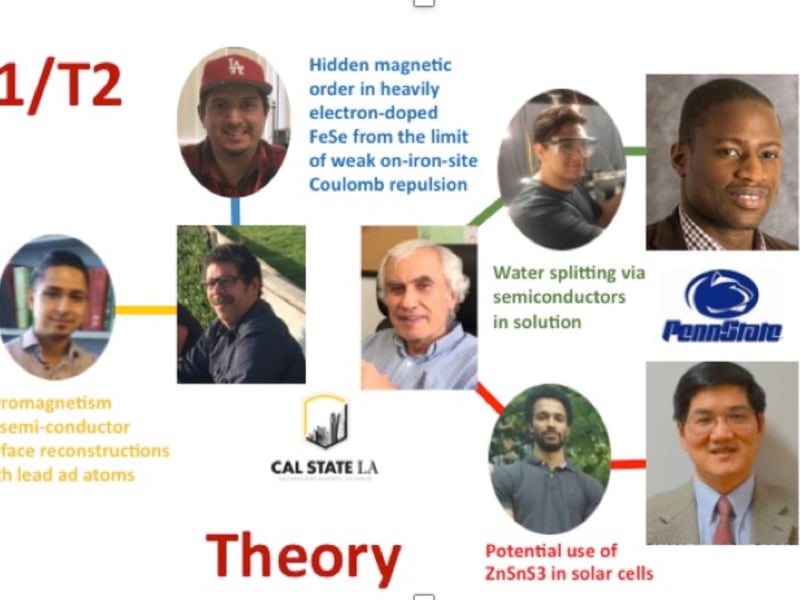
Oscar O. Bernal, California State University L A University Auxiliary Services Inc.
T1: Magnetic and Electric Properties with ApplicationsDesigning methods and devices for efficient mutual control of electricity and magnetismDeveloping low-power consumptionWe designed and fabricated Graphite-fiber reinforced copper composite wires to meet the requirements of wire strength
Feb 13, 2018
Jackson State University-University of California, Santa Barbara MRSEC (2012)
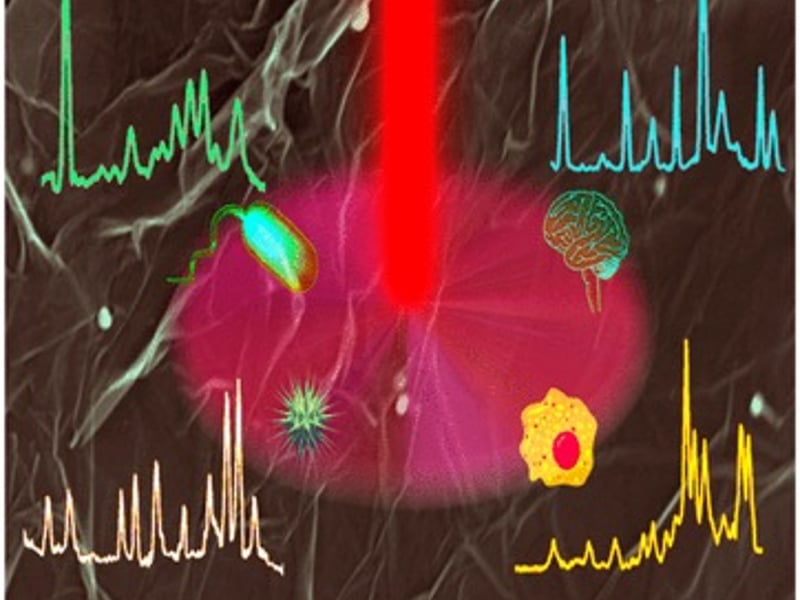
3D Nanoarchitecture for Bio-molecular Fingerprinting
Paresh C. Ray, Jackson State University
We have developed three-dimensional (3D) nanoachitecture based surface enhnaced Raman spectroscopy (SERS) technology and demonstrated that it can be used for the diagnosis of bacteria, virus, Alzheimer’s disease biomarkers, cancer, explosives and toxic chemicals.Our 3D technology has the c
Feb 13, 2018
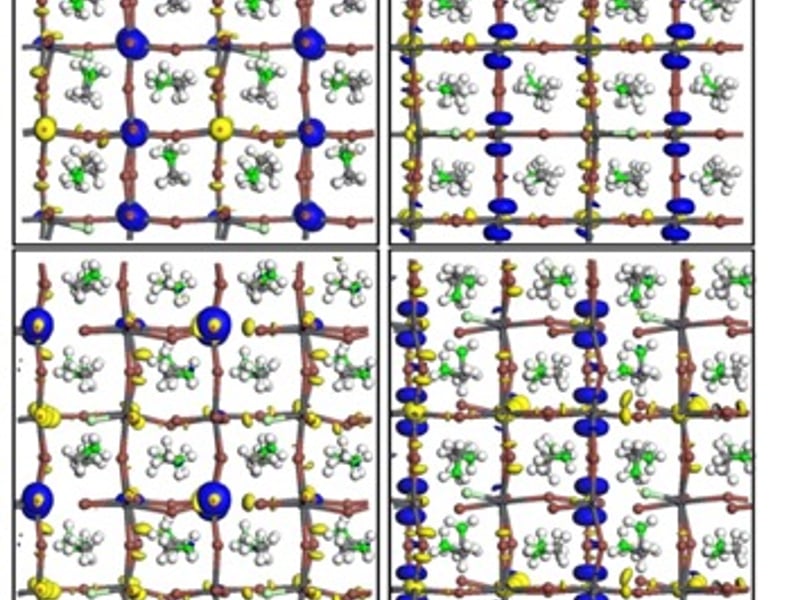
Charge Stripe Formation in Molecular Ferroelectric Organohalide Perovskites for Efficient Charge Separation
Gang Lu, The California State University Northridge
Despite rapid progress in the efficiency of organohalide perovskite based solar cells, physical mechanisms underlying their efficient charge separation and slow charge recombination still elude us. In this work, we provide first direct evidence of spontaneous charge separation via first-pr
Feb 13, 2018
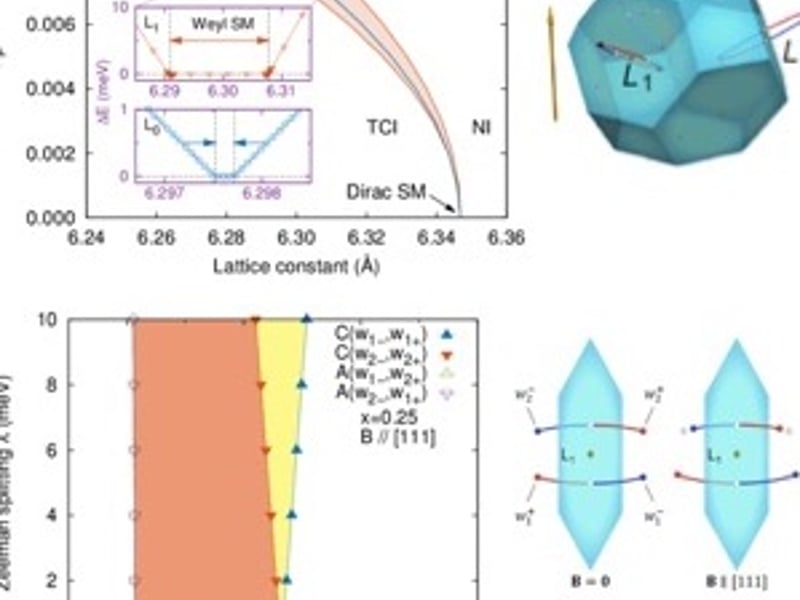
A Pressure-Induced Emergence of a Weyl Semimetal Phase in Pb1-xSnxTe
Gang Lu, The University Corporation, Northridge, DMR 1205734
Outcome: In collaboration with experimental studies at Princeton University we have carried out ab initio calculations to examine the effect of pressure on the topological phase diagram of Pb1-xSnxTe. The calculations reveal that the ferroelectric polarization, which breaks crystal inversi
Feb 13, 2018
The University of Texas at El Paso
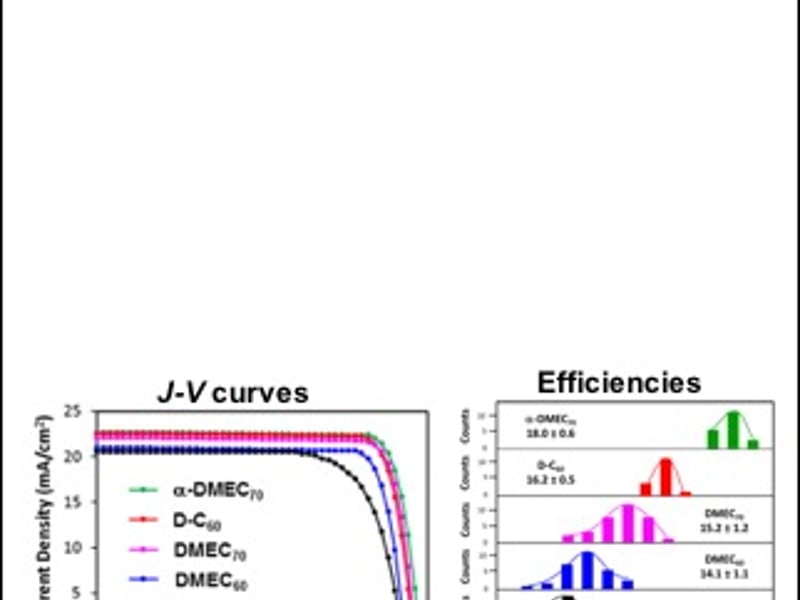
Functionalized Fullerenes for Selective Electron Extraction in Inverted Perovskite Solar Cells
Luis Echegoyen, University of Texas at El Paso
Perovskite solar cells (PSCs), have shown a remarkable increase in photoconversion efficiency (PCE), from 3.8% in 2009, to 22.1% in 2016. The good electron transporting and solution processable properties of fullerene derivatives make them the most popular electron transporting materials
Aug 21, 2017
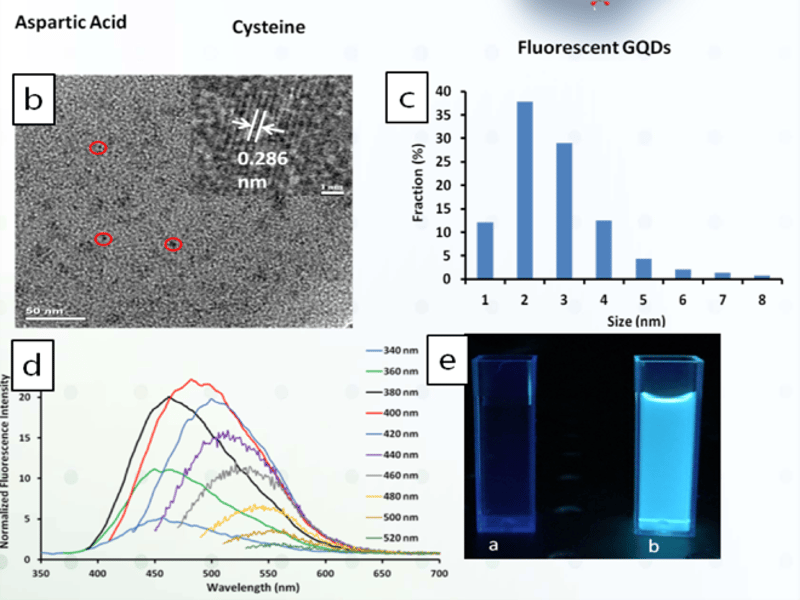
One-Step Synthesis of Fluorescent Graphene Quantum Dots Through Pyrolysis of Amino Acids
Jiao Chen, New Mexico Highlands University
Outcome: We have developed a novel method for the synthesis of graphene quantum dots (GQDs) by using two amino acids, which are non-toxic natural materials containing nitrogen groups for easy surface modification. The synthesis process was easy, efficient and no toxic chemicals were involv
Aug 21, 2017
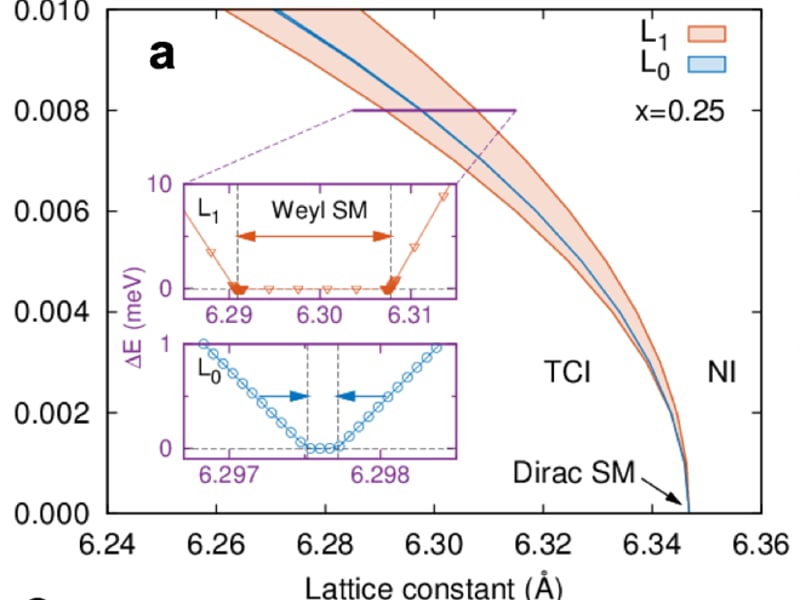
A Pressure-Induced Emergence of a Weyl Semimetal Phase in Pb1-xSnxTe
J. Kim & N. Kioussis (California State University Northridge), DMR-1205734(PREM) T. Liang & Nai Phuan Ong (Princeton University)
Outcome: In collaboration with experimental studies at Princeton University we have carried out ab initio calculations to examine the effect of pressure on the topological phase diagram of Pb1-xSnxTe. The calculations reveal that the ferroelectric polarization, which breaks crystal inversi
Aug 21, 2017
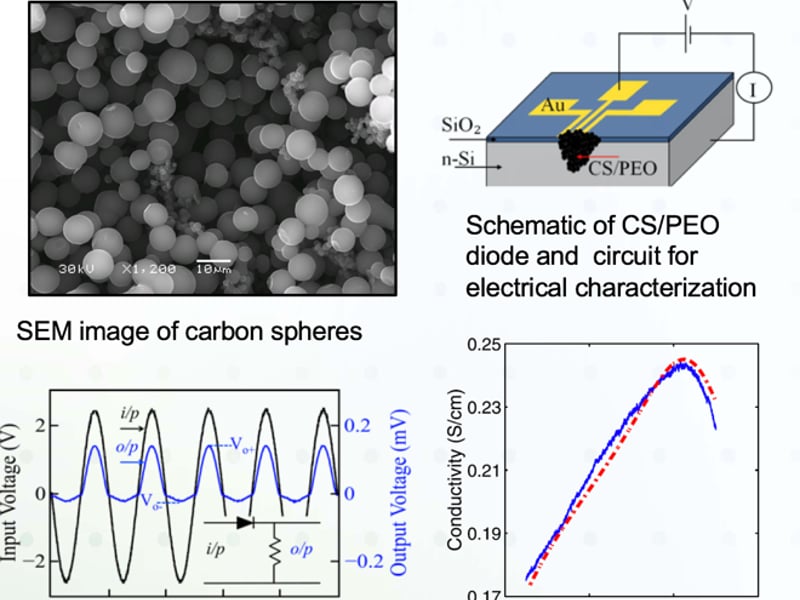
Polymer/Carbon Spheres Composites for Device Applications
Idalia Ramos, University of Puerto Rico at Humacao
Intellectual Merit: Carbon-based materials have attracted scientific interest due to their promise to revolutionize the electronics industry. Carbon Spheres (CS) were produced via hydrothermal carbonization of sucrose. A Schottky diode was fabricated using a composite of the highly conduct
Apr 5, 2017
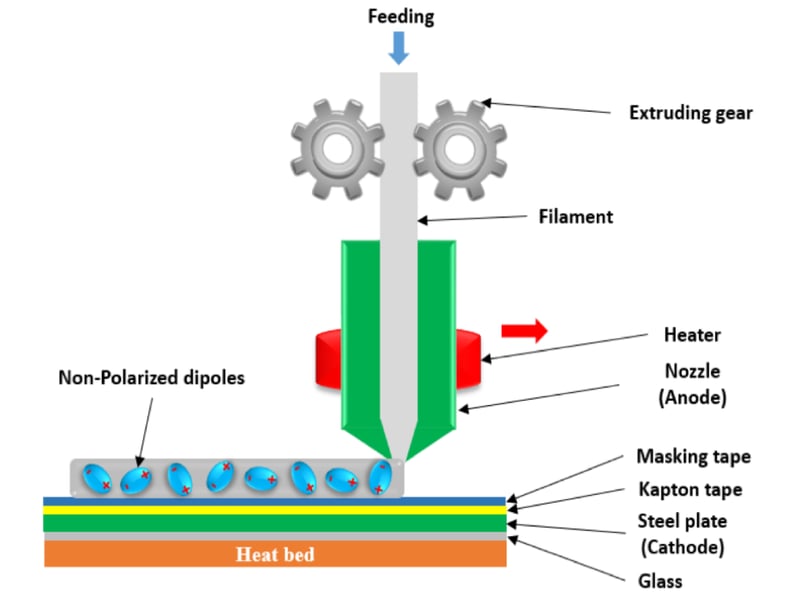
Integrated 3D printing with in-situ functionalization of piezoelectric nanocomposites
Yirong Lin (University of Texas at El Paso)
Our research supported by the NSF PREM project studied the synthesis, fabrication, and characterization of advanced materials for sensing, energy harvesting, and storage.
Our integrated 3D printing with in-situ functionalization of piezoelectric nanocomposite enabled us design nanocomposit
Apr 5, 2017
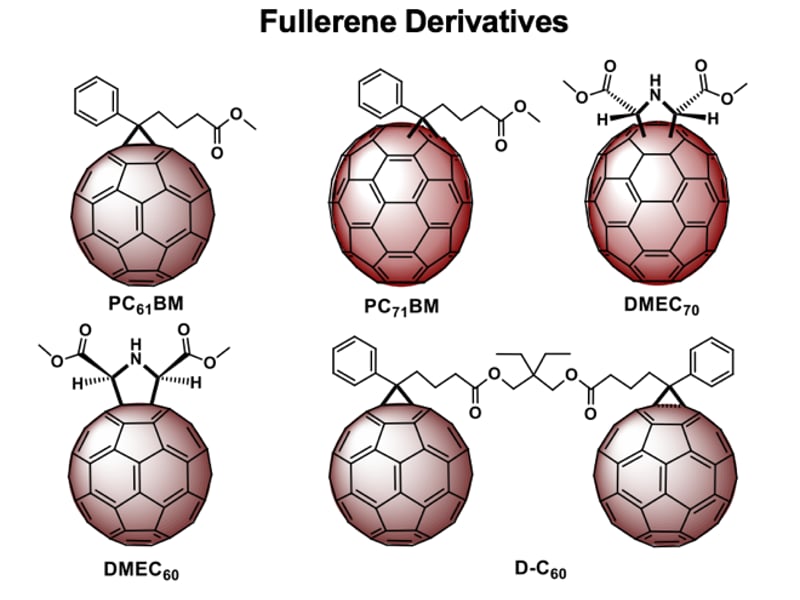
New Fullerene Derivatives for Electron Transporting Materials in Inverted Planar Perovskite Solar Cells
Luis A. Echegoyen (University of Texas at El Paso)
Perovskite solar cells (PSCs), have shown a remarkable increase in photoconversion efficiency (PCE), from 3.8% in 2009, to 22.1% in 2016. The good electron transporting and solution processable properties of most fullerene derivatives make them the most popular electron transporting mater
Showing 51 to 60 of 182